
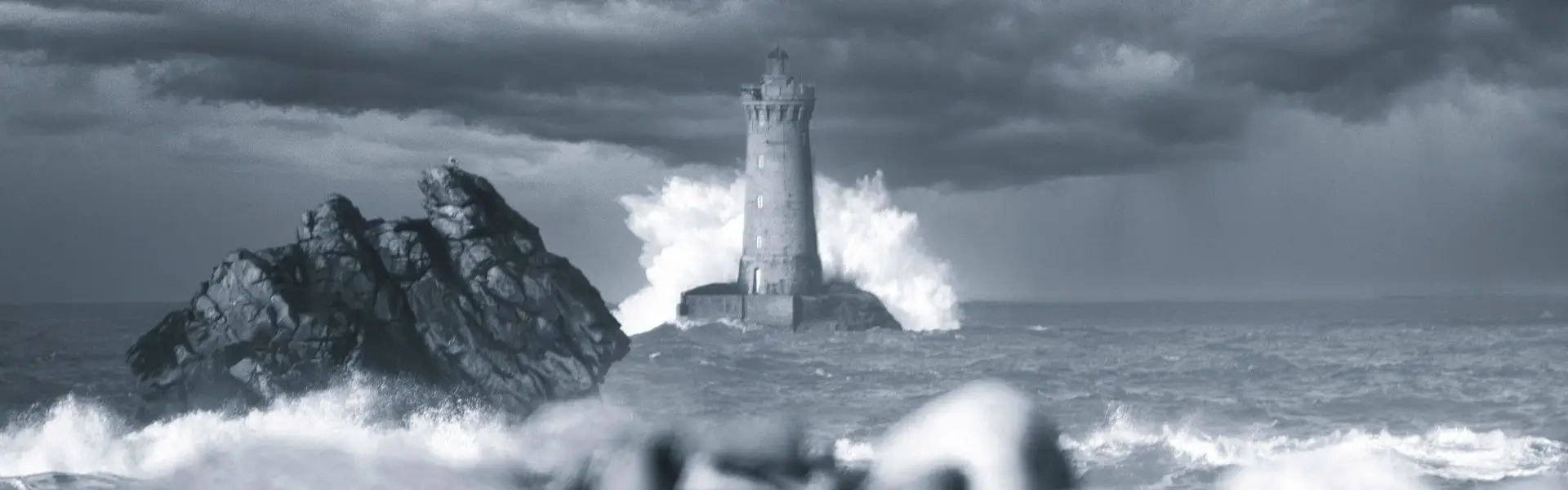
Key points to remember: The black and white remains timeless because it removes the distractions of colour to reveal what really matters: the emotion and structure of your subject. Mastering monochrome requires you to sculpt light and accentuate textures. Shadows become your creative brush. This radical approach gives your images a timeless aesthetic and reveals the essence of a scene.
Wondering why your images lack punch? Visit black and white could give them the dramatic intensity they lack. It's not a simple filter: it's a choice that reveals the light and emotion of your subject. Here I share my techniques for mastering contrasts and composing images that leave a lasting impression.
Why is black and white photography so timeless?
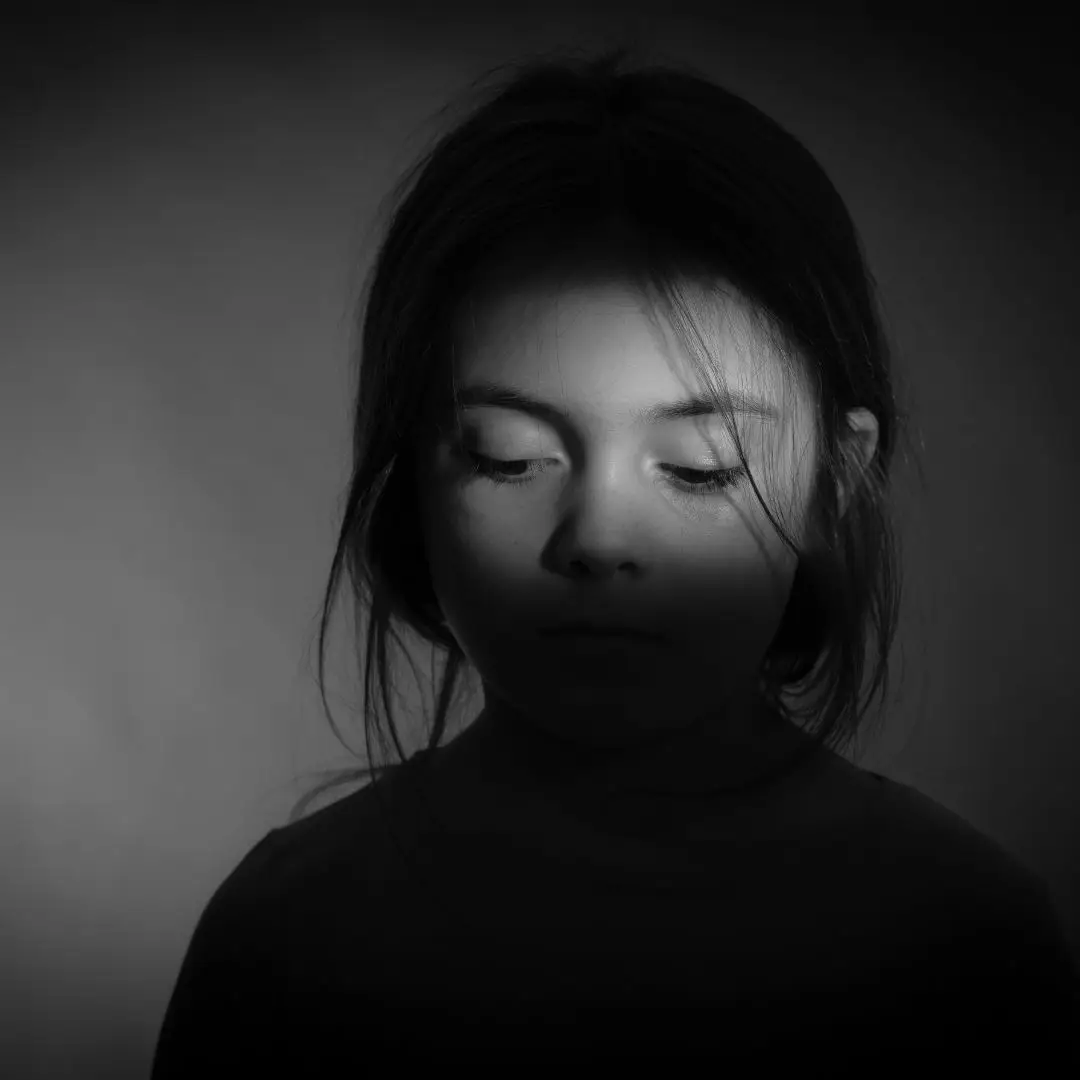
Without colour, the eye focuses on expression and emotion. The light sculpts the face.
Even in the face of the avalanche of digital colours, the black and white photography retains its prestige. It remains a visual truth in the eye of the photographer.
The timeless aesthetic of black and white
By removing the colour, you eliminate the visual distractions that pollute the image. The viewer concentrates on the strength of the main subject. It's direct.
An image in black and white belongs to every era. It never grows old.
It is a form of artistic expression that sculpts light in a different way. Lines and substance become tangible. You can almost feel the texture.
This visual purity commands respect. It's a radical choice.
Focus on emotion rather than décor
The eye immediately catches the expression on a face or the tension in a gesture. Without the blue of the sky or the red of a garment, the human message becomes central. It packs a punch.
Look at the humanist approach of the 50s. Masters like Robert Doisneau used this sobriety to reveal the poetry of everyday life. The authenticity of encounters.
In truth, it all boils down to this thought:
Black and white allows us to see the essence of people beyond the appearances that mask their emotions.
Controlling light and exposure in monochrome
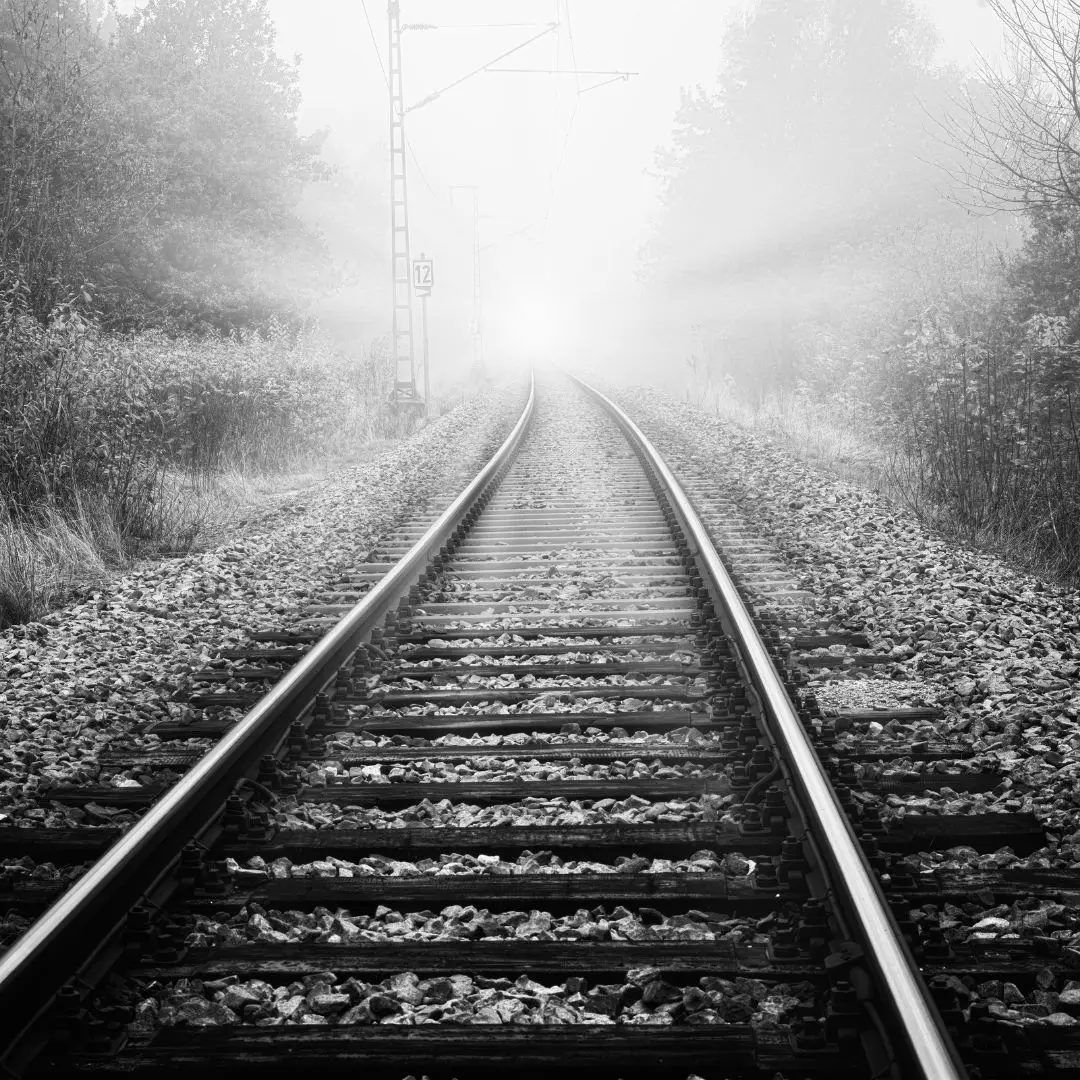
Fog and diffuse light: a controlled exposure challenge. The highlights are not burnt out, and the details of the rails remain visible.
While the aesthetics are seductive, the technical success is based above all on a rigorous management of light, the backbone of any black and white image.
How do you get a good exposure without colours?
To make a success of your black and white photography, First of all, learn to read the contrast zones. Identify the high lights so as not to burn out the whites while retaining detail in the shadows.
Use the histogram of your camera. It's the essential tool for checking that blacks aren't blocked and whites aren't burnt out.
A few adjustments to make:
- Opt for spot measurement of mid-tones
- Check clipping before triggering
- Aim for right-hand exposure in digital to preserve as much information as possible
Perfect exposure requires patience. Keep a close eye on your shadows.
Playing with contrasts to sculpt shapes
The cast shadows can help you sculpt the volume of objects and create depth. A strong contrast adds a dramatic dimension to your composition.
The colour filters in post-processing are an invaluable tool inherited from film. The principle is simple: by modifying the conversion of the different colour layers to black and white, you control which tones become light or dark.
Un red filter lightens the red tones and darkens the opposite tones (blues and cyans). As a result, the blue sky becomes dramatically darker and the white clouds explode with contrast.
Un yellow filter softens the image and subtly increases the overall contrast. A green filter highlights foliage and plant textures.
In Lightroom or Photoshop, these filters can be simulated using the black and white mixer which adjusts the luminance of each colour.
"Shadow is the brush of the monochrome photographer, defining structure where colour would have flattened everything."
Composing with textures and lines
Beyond the exhibition, it's the frame structure which adds depth to your shots, using visual touch.
The importance of materials in the absence of colour
In black and white photography, the textures become central. The grain of a skin or the roughness of a stone must be palpable to the eye.
The low-angled light is your best ally. It accentuates relief by creating micro-shadows that reveal every uneven surface.
The right lighting makes all the difference between a flat photo and a strong image.
| Type of texture | Black and white effect | Lighting advice |
|---|---|---|
| Stone/concrete | Hard graphics | Grazing side light |
| Skin/Portrait | Softness or character | Soft or contrasting light |
| Fabric/garment | Draping play | Marked drop shadow |
Writing light differently to guide the eye
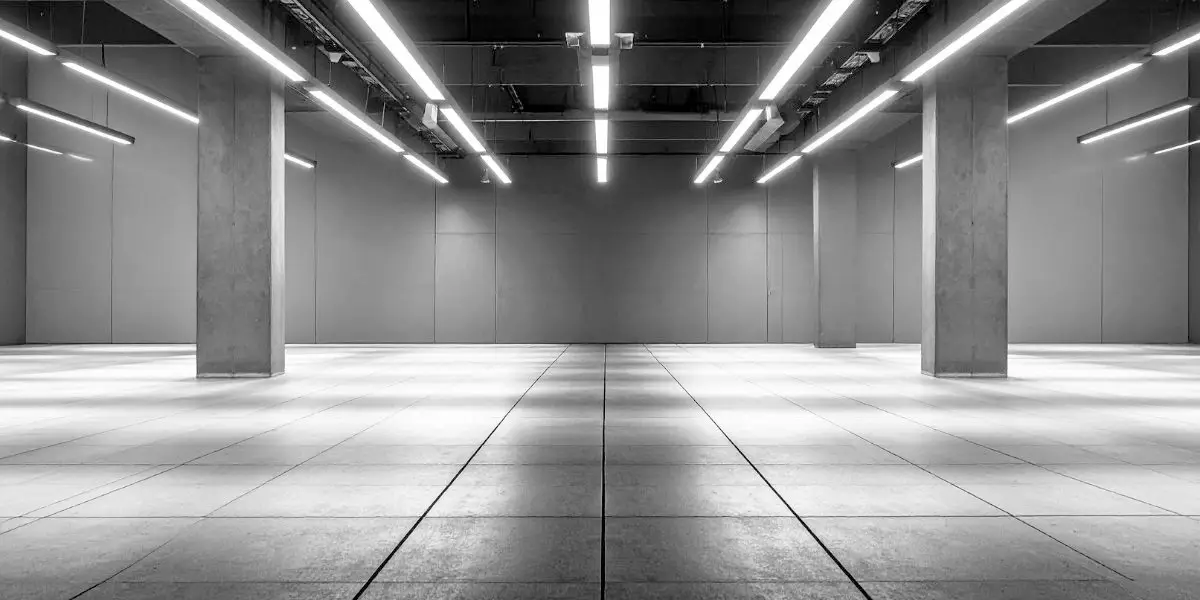
Vertical symmetry and repetition of motifs: the lines guide the eye towards the central vanishing point.
L'urban architecture offers an incredible playground. The geometric patterns create a powerful rhythm, forcing the eye to follow the edges and shifting perspectives.
Don't be afraid of the void. A large dark area can stabilise an image. The frame then becomes a subtle construction game between light and dark.
Want more impact? Don't hesitate to use these three powerful techniques to structure your frame:
Vertical or horizontal symmetry : Place your subject in the centre with balanced elements on either side. In vertical symmetry, an imaginary line divides the image into two equal parts from left to right. In horizontal symmetry, the division is from top to bottom. Particularly effective in architecture or with reflections in water.
Repeating patterns : lines, shapes or objects that are repeated in the frame. Generates a visual rhythm and a powerful graphic effect.
Natural settings : Use elements such as branches, doors, windows or arches to frame your subject. This focuses attention and adds depth.
From digital to film: post-processing

Digital or film? Each approach has its strengths when it comes to black and white photography.
Finally, the creation of a monochrome work doesn't stop at the shutter release, it continues in the privacy of the laboratory or in front of the screen.
What are the differences between film and digital?
The grain of silver film brings a unique organic texture to black and white photography. Conversely digital noise remains a technical flaw that may seem artificial. It's a fundamental difference in texture.
The classic black and white process is based on the precise action of chemical developers. These products transform the latent image into metallic silver visible on the negative.
Manipulating chemistry offers a tactile dimension that software cursors cannot replace. It's a different experience.
Each method has its strengths. The choice depends on your artistic sensibility and your practical constraints.
Choosing the right subject for monochrome: portrait or landscape?
A stormy landscape or a wrinkled portrait gains in strength in monochrome. Look for scenes where the graphics dominate colours. This is where the image really comes into its own.
The choice of paper is crucial if you want to retain the dynamic shades of grey. Don't overlook this detail.
- Start by selecting the contrasting subject.
- Adjust the post-processing of the levels.
- Confirm your choice of baryta paper for printing.
Black and white transforms the way you look at reality. It gives a a timeless dimension to your images.
So, are you ready to see the world in shades of grey? Beyond the technique, the black and white is still an excellent school for the eye. It forces you to observe light and textures rather than colours. Whether you choose the grain of film or the flexibility of digital, get out and photograph: it's by practising that you'll refine your eye.
FAQ black and white photography
Why choose black and white when we have colour?
This is an excellent question that I often ask myself. In reality, removing colour allows us to eliminate distractions and concentrate on what's essential: emotion and light. It's a radical choice that forces the viewer to look at the structure of the image rather than the setting.
As Oscar Wilde famously said, «Art is the most intense mode of individualism the world has ever known». Monochrome gives you this unique freedom of expression, making your shots timeless, a bit like those vintage views of Paris that never seem to age.
How do you manage exposure and lighting in monochrome?
Light becomes your absolute raw material. Without colour to guide the eye, you have to learn to sculpt your images with contrasts and shadows, a bit like the aesthetics of «Film Noir» and its mysterious atmospheres.
I advise you to keep a close eye on your histogram to avoid losing detail in areas that are too dark or too light. Don't be afraid of strong shadows; they add volume and character where a colour image might appear flat.
How important are textures and lines in composition?
They're crucial! In the absence of bright colours, it's the texture that gives strength to your image. Whether it's the roughness of a stone wall or the grain of skin in a portrait, the viewer should almost be able to «feel» the material with their eyes.
The lines guide the eye and structure the space.
Use architectural perspectives or the vanishing lines of a street in the rain to create a strong dynamic that immediately catches the eye.
What subjects lend themselves best to black and white photography?
I tend to say that any subject with a strong graphic structure or palpable emotion works.
Look at the humanist approach of the 50s. Masters such as Robert Doisneau photographed scenes of everyday life, portraits or stolen moments in the streets of Paris with an overwhelming authenticity.
Look for scenes where the contrast is natural, such as stormy landscapes or stark portraits. Black and white sublimates reality and, as we often hear, allows us to see people's souls beyond appearances.
Is it better to shoot in film or digital for black and white?
It's a fascinating debate! Film offers that organic grain and unique texture associated with chemistry, which many people find irreplaceable for their «living» quality. Manual processing also brings undeniable tactile pleasure.
Digital, on the other hand, offers you incredible flexibility in post-processing and a formidable cleanliness of image, although digital noise is often less aesthetic than film grain. In the end, choose the tool that best suits your artistic sensibilities.









0 Comments